See the slides (7)
Save Siang
China is building a huge dam upstream on the same river. A reservoir on the Siang is meant to guard against a sudden release of water from it and keep a steady flow in the dry months.
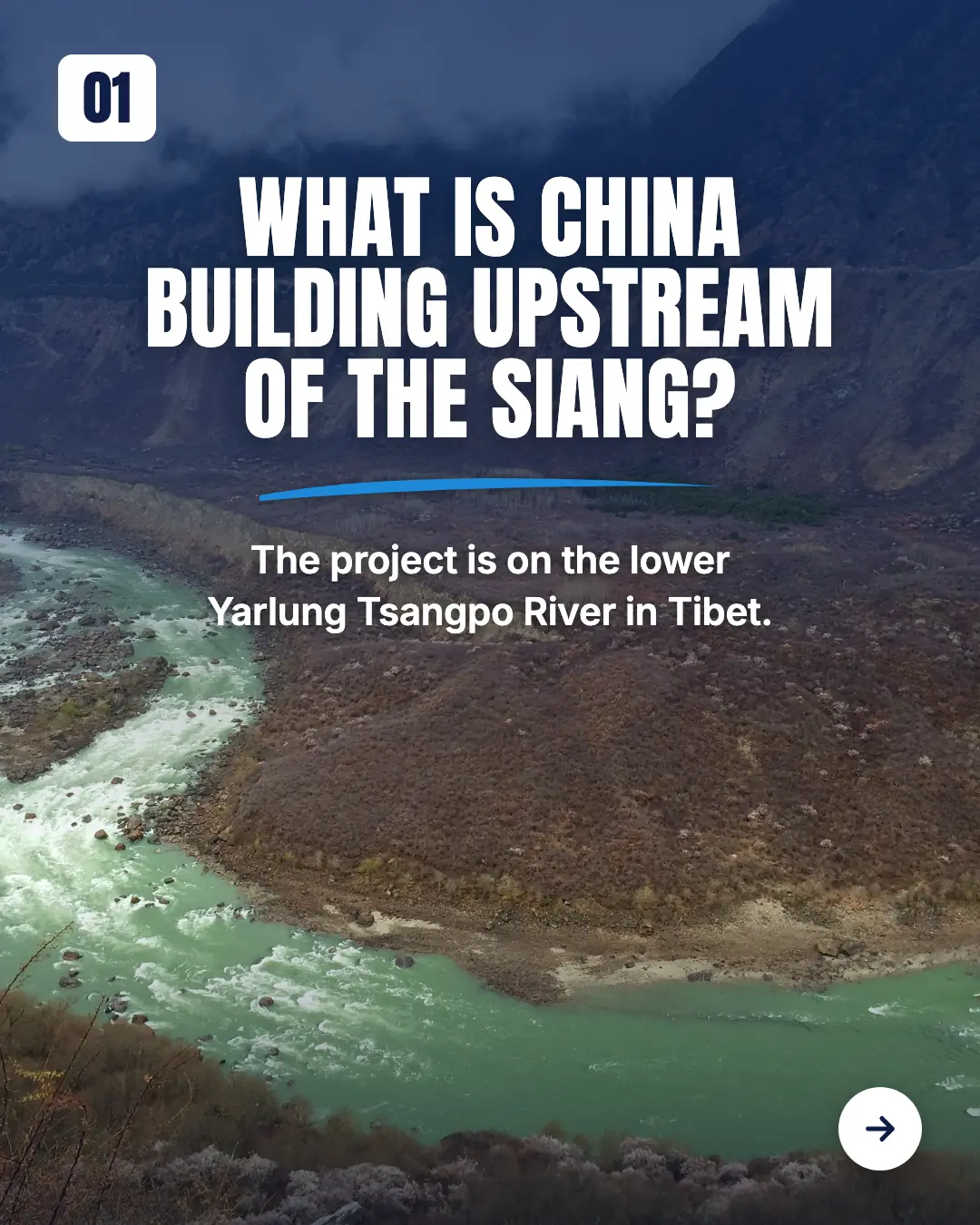
The project is on the lower Yarlung Tsangpo River in Tibet.

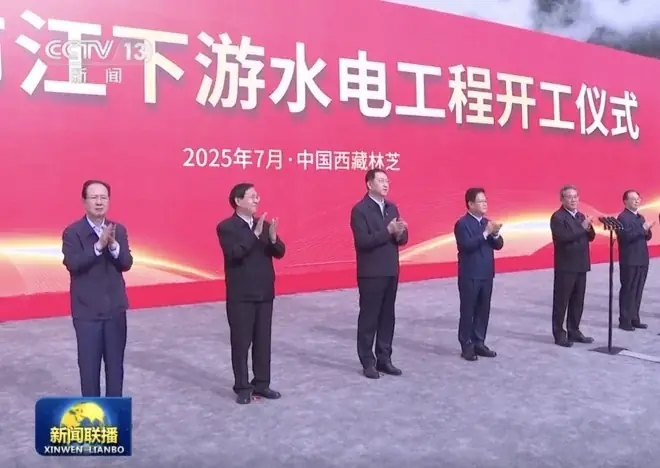
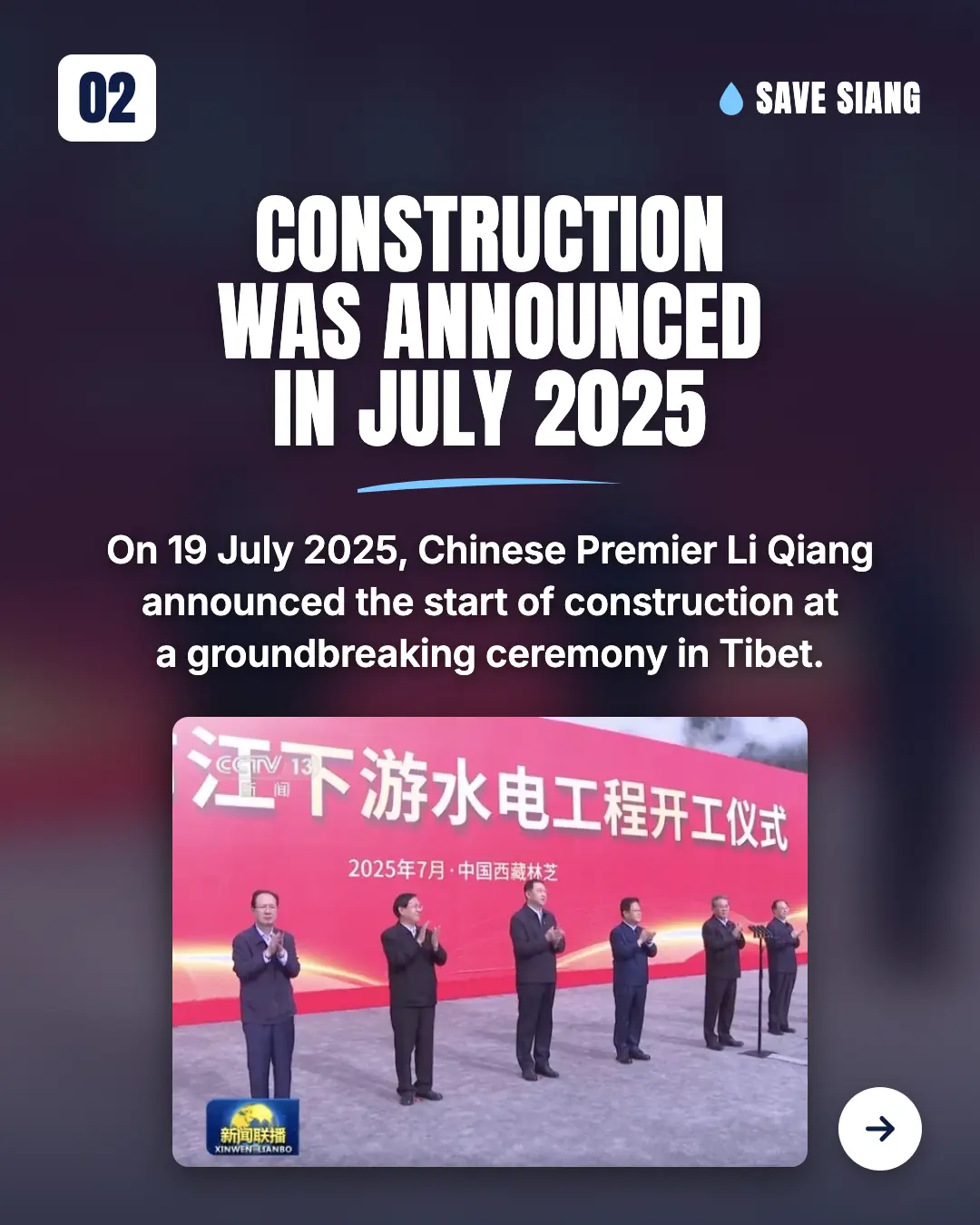
On 19 July 2025, Chinese Premier Li Qiang announced the start of construction at a groundbreaking ceremony in Tibet.
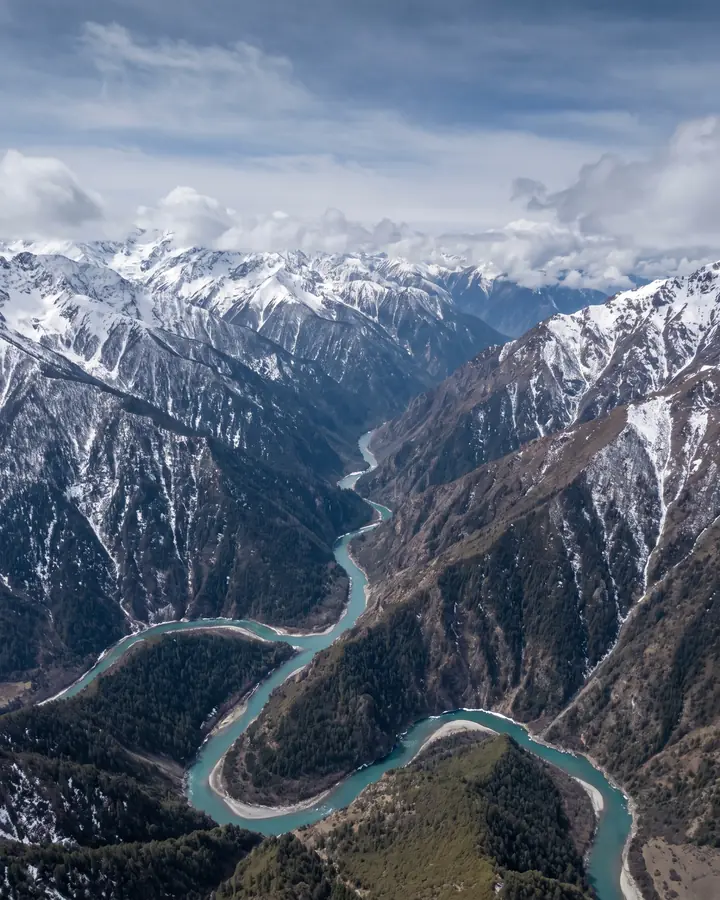
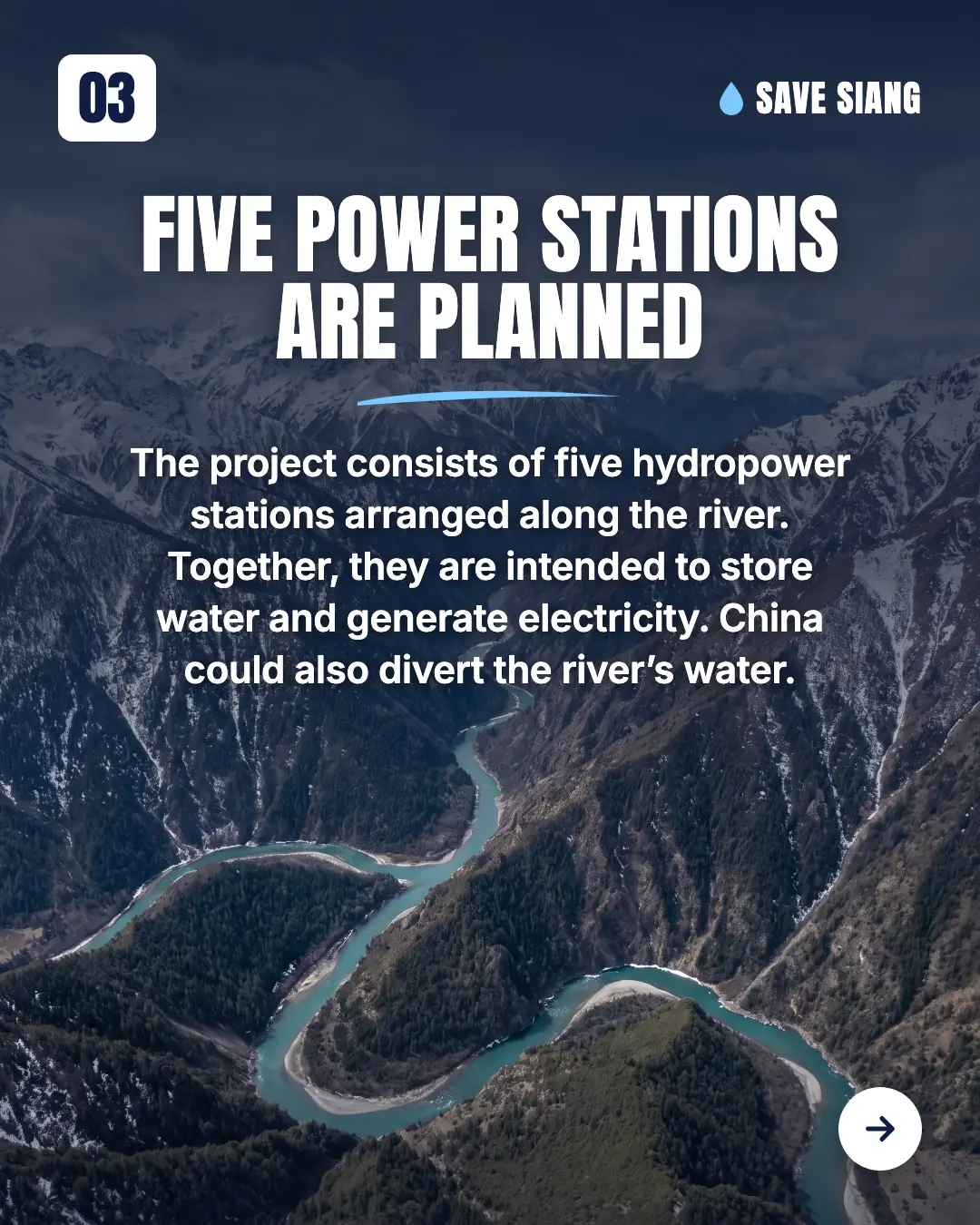
The project consists of five hydropower stations arranged along the river. Together, they are intended to store water and generate electricity. China could also divert the river’s water.
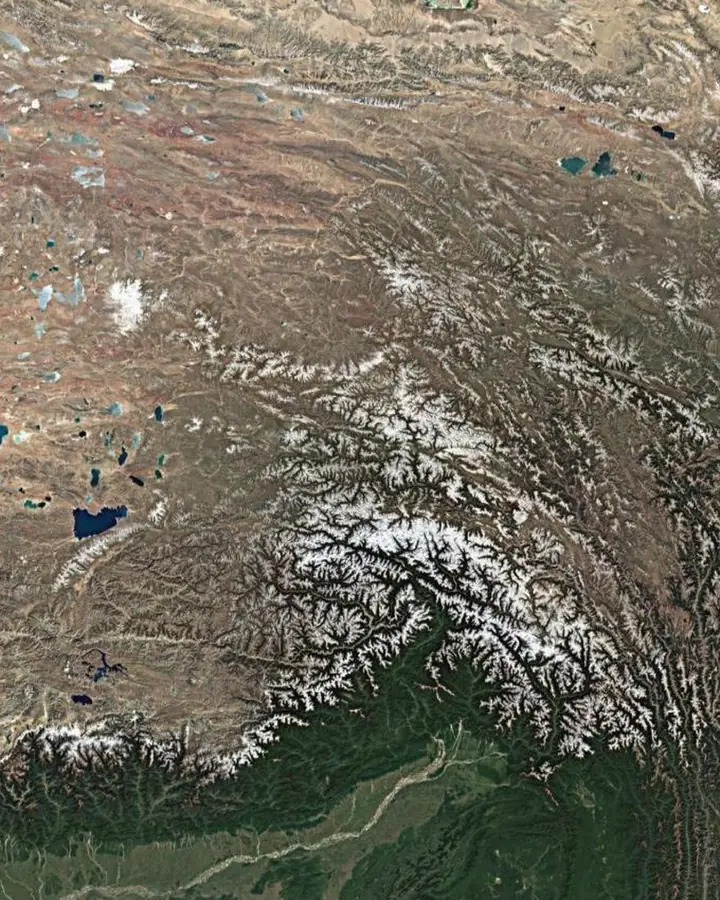
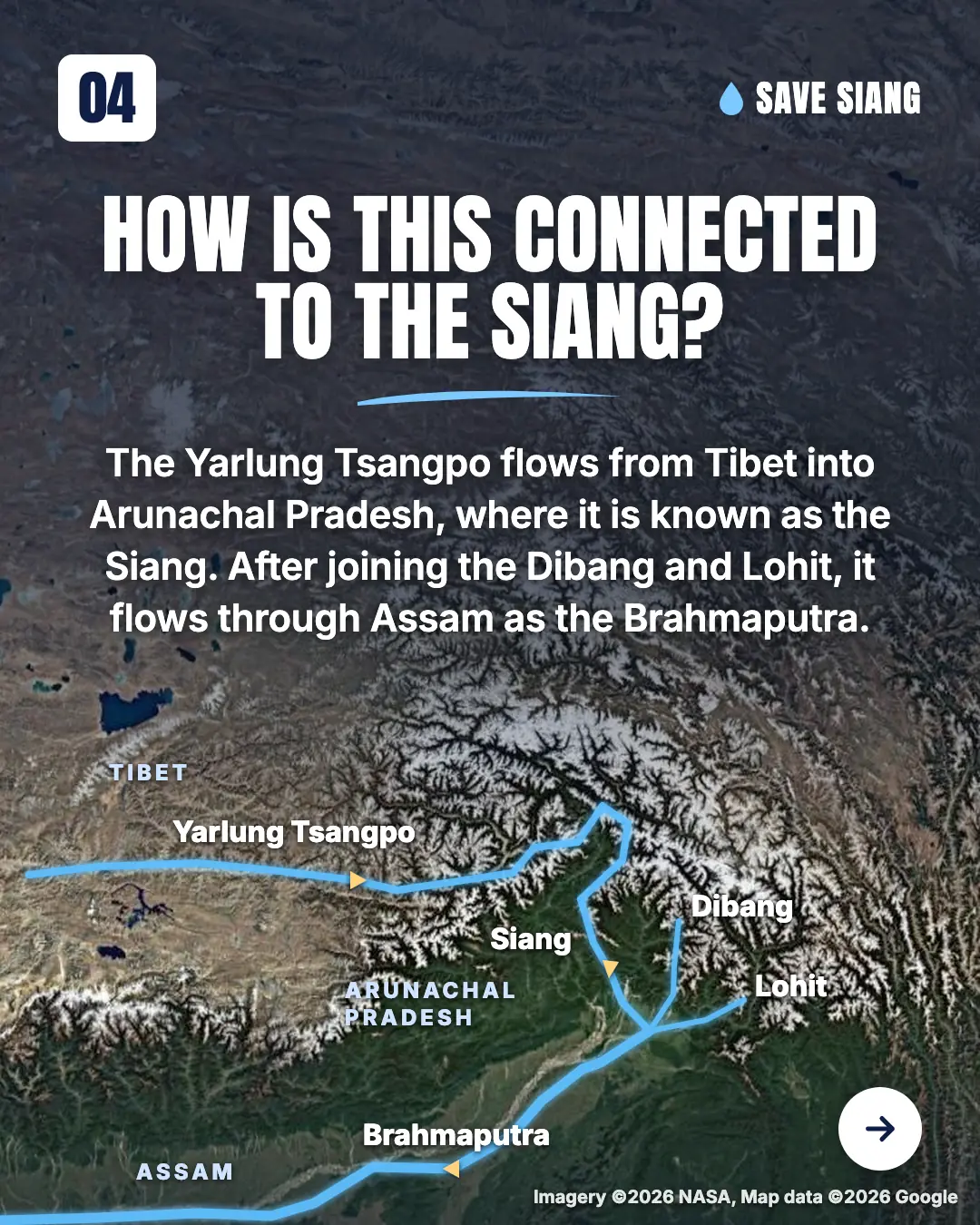
The Yarlung Tsangpo flows from Tibet into Arunachal Pradesh, where it is known as the Siang. After joining the Dibang and Lohit, it flows through Assam as the Brahmaputra.
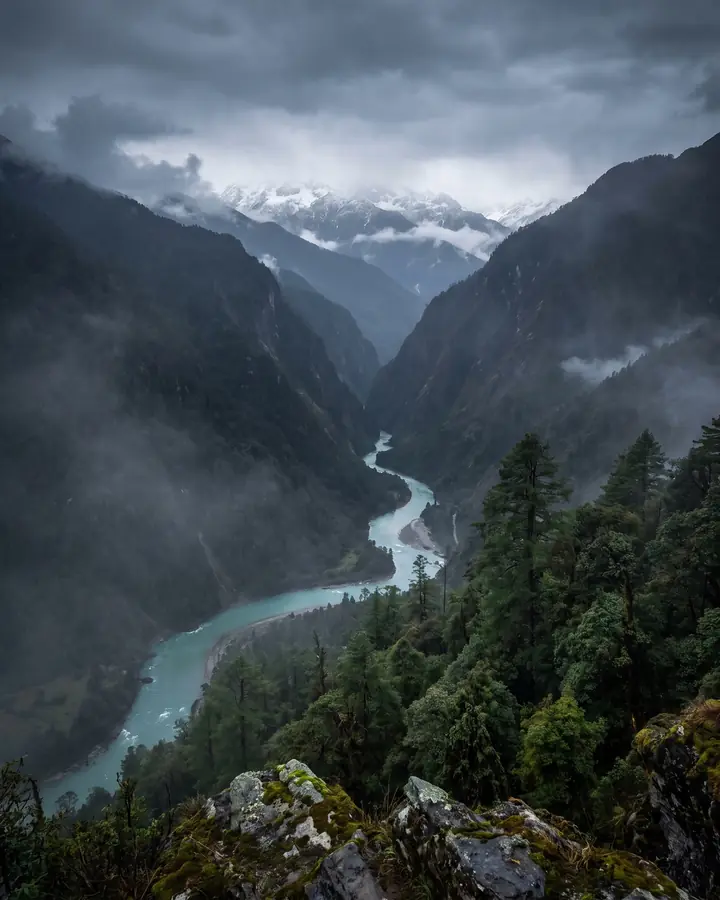
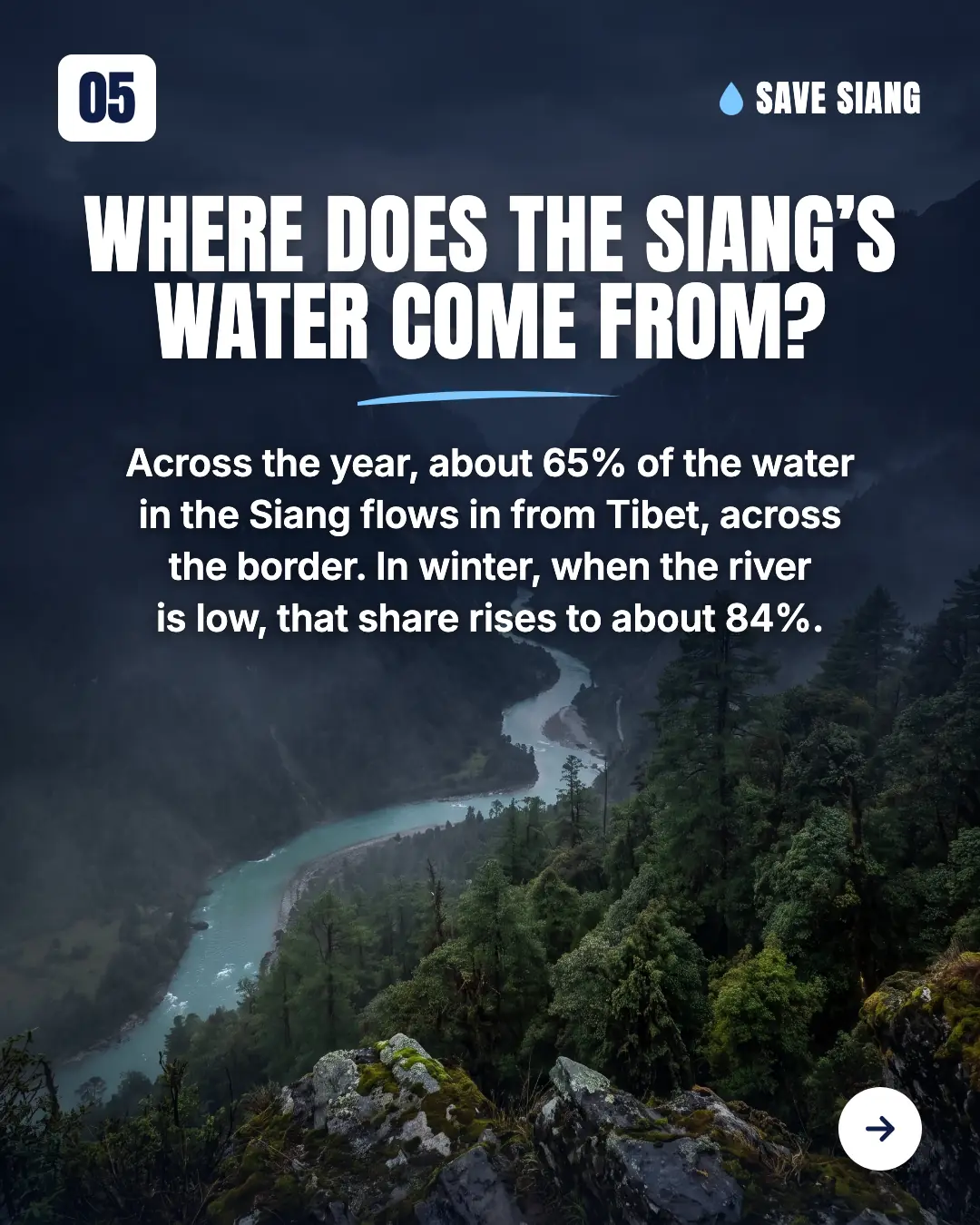
Across the year, about 65% of the water in the Siang flows in from Tibet, across the border. In winter, when the river is low, that share rises to about 84%.
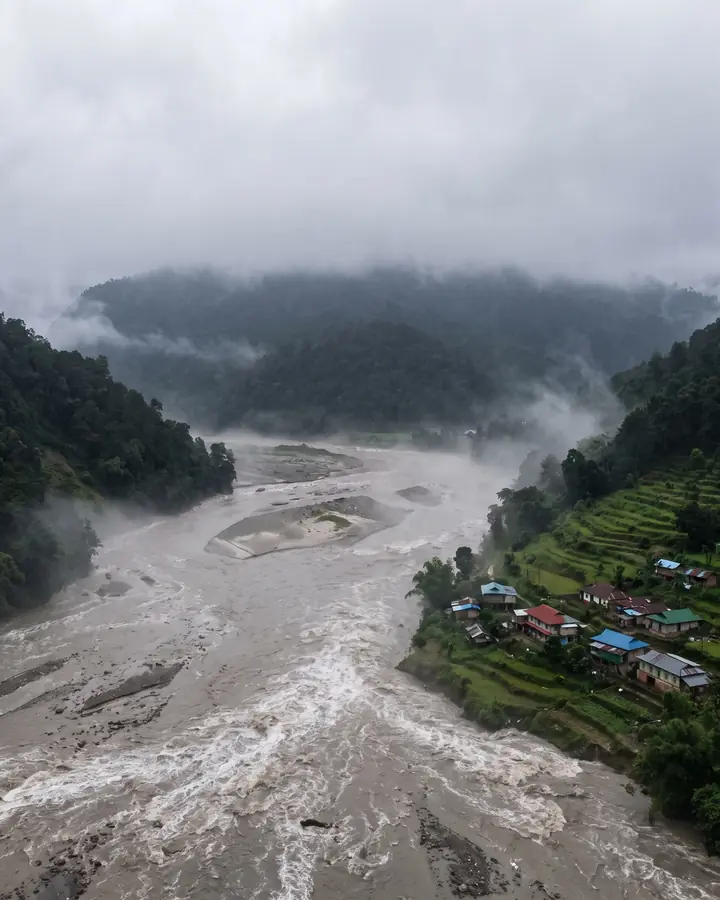
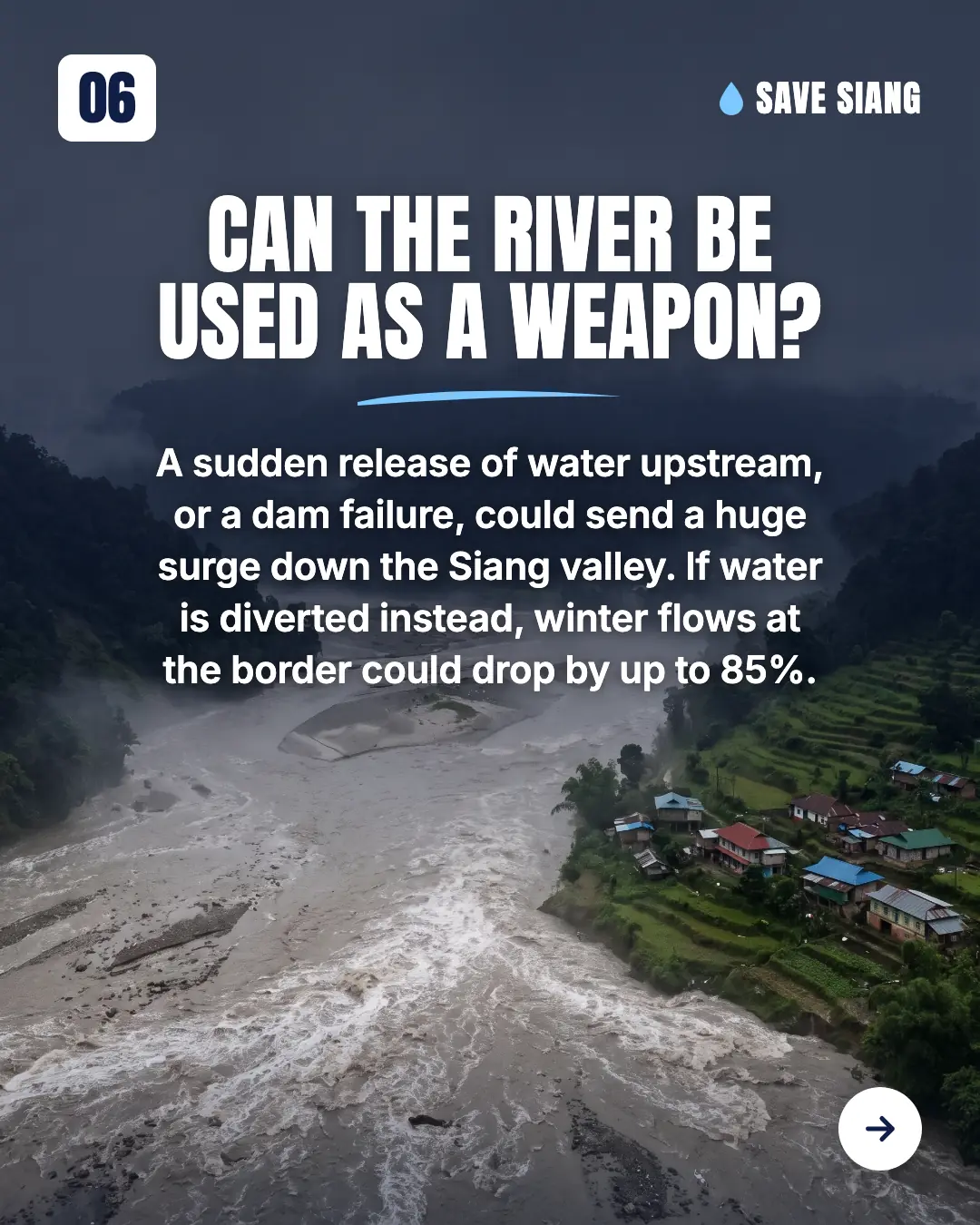
A sudden release of water upstream, or a dam failure, could send a huge surge down the Siang valley. If water is diverted instead, winter flows at the border could drop by up to 85%.
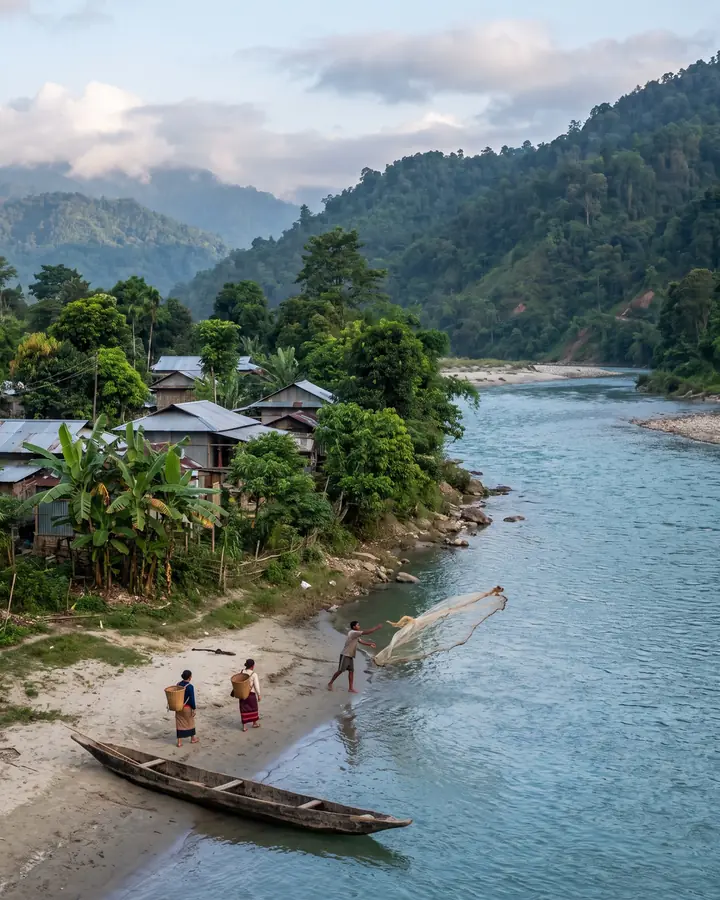
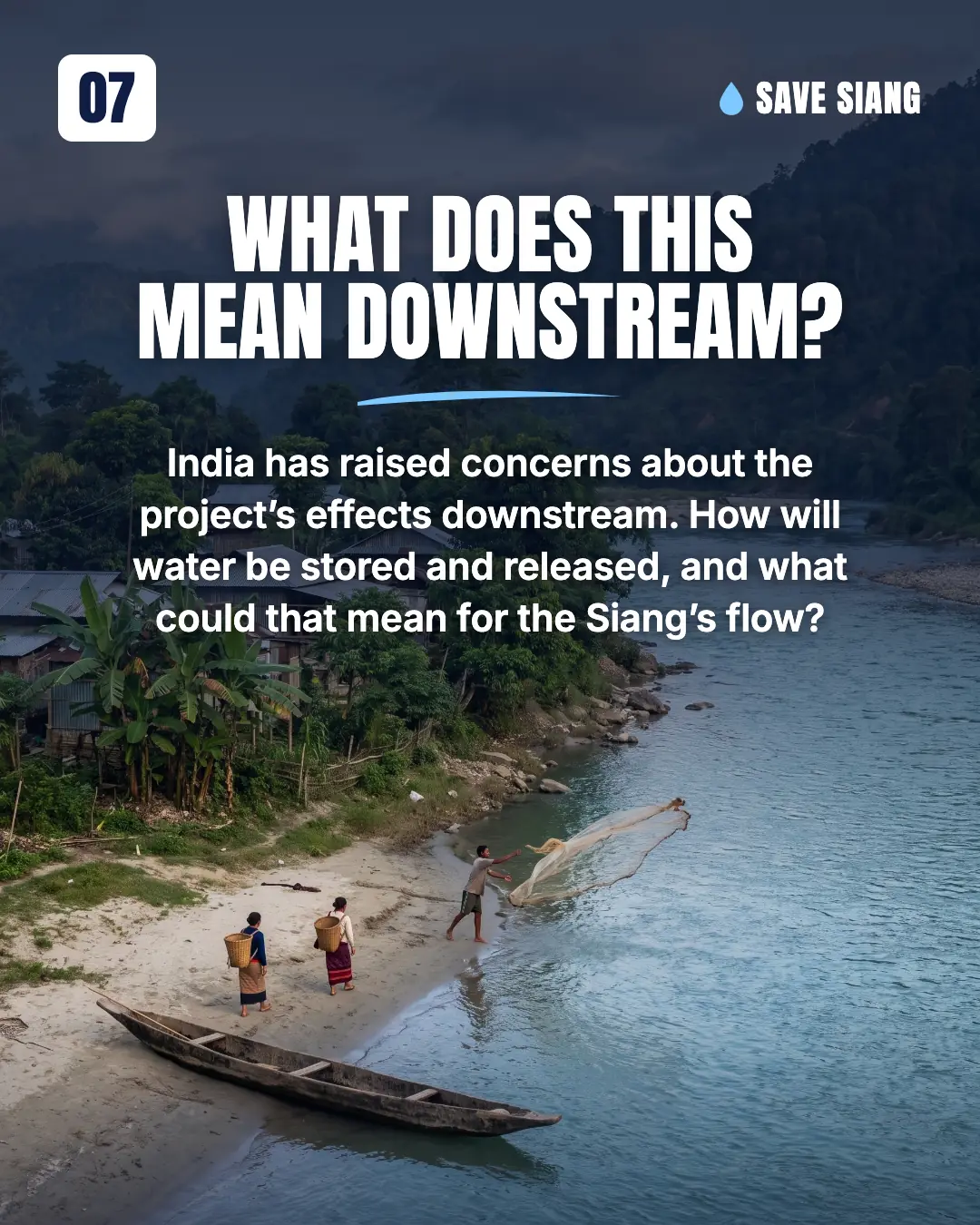
India has raised concerns about the project’s effects downstream. How will water be stored and released, and what could that mean for the Siang’s flow?
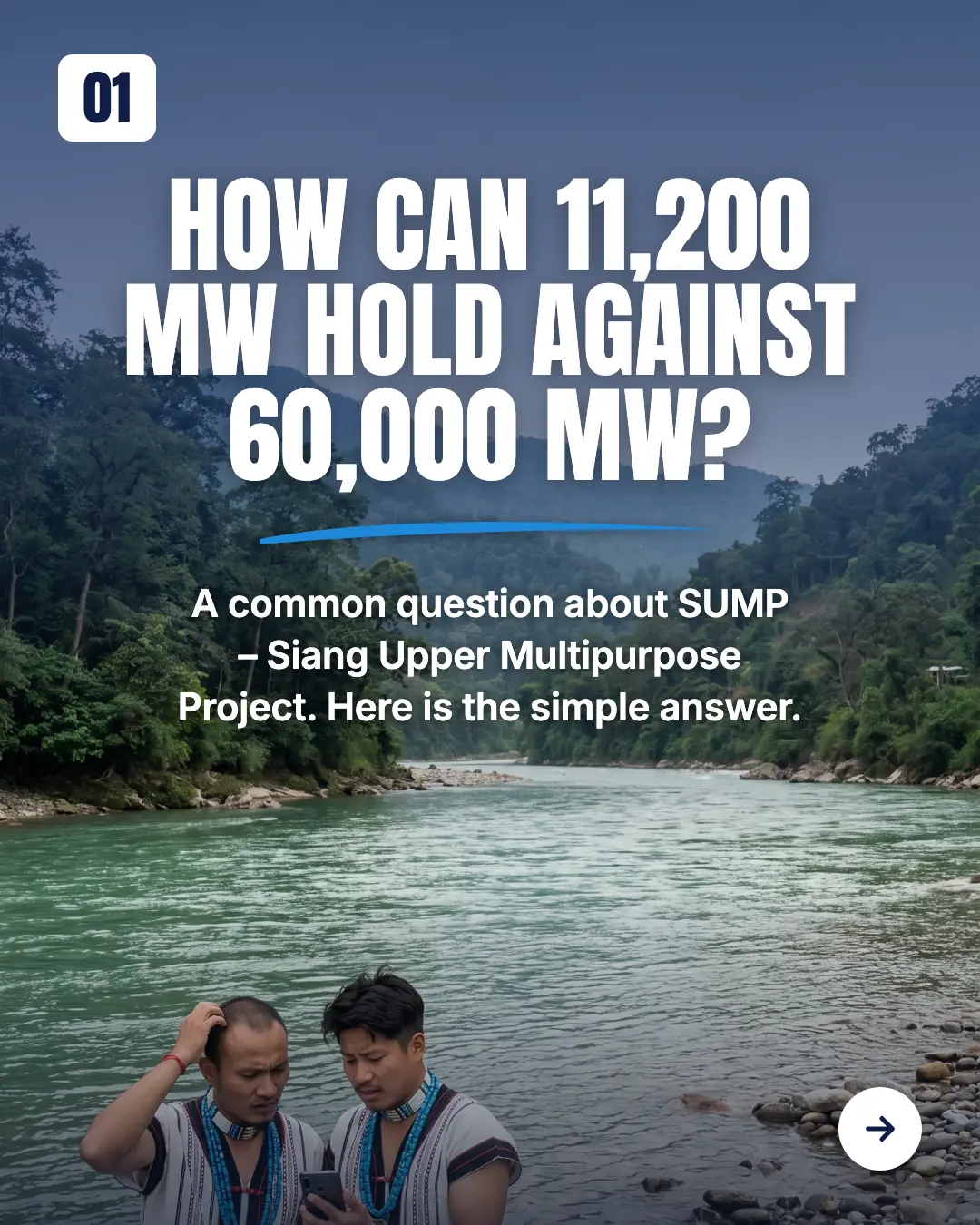
A common question about SUMP – Siang Upper Multipurpose Project. Here is the simple answer.
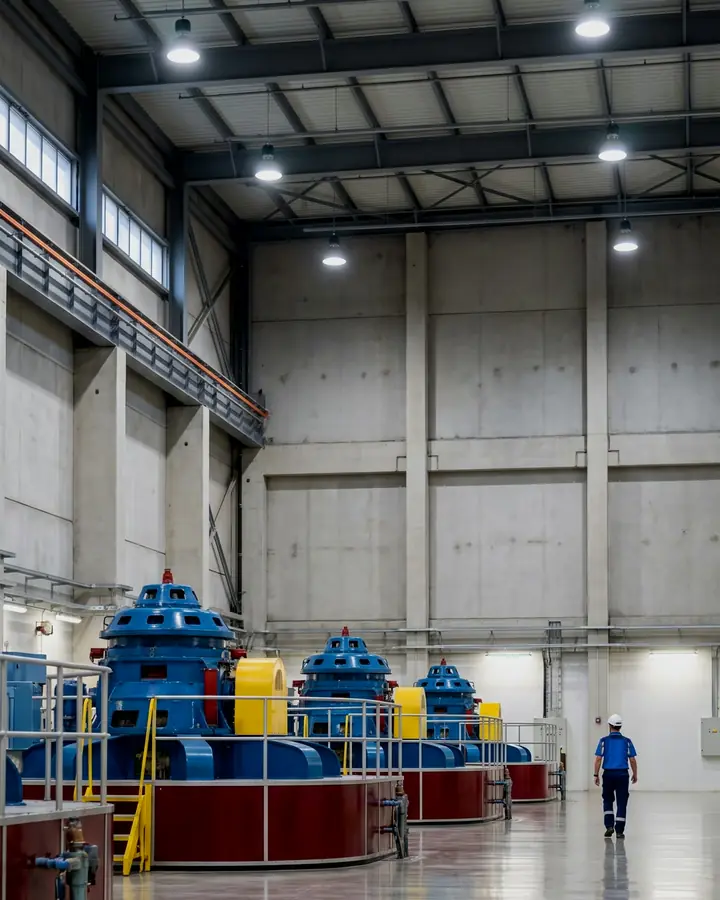
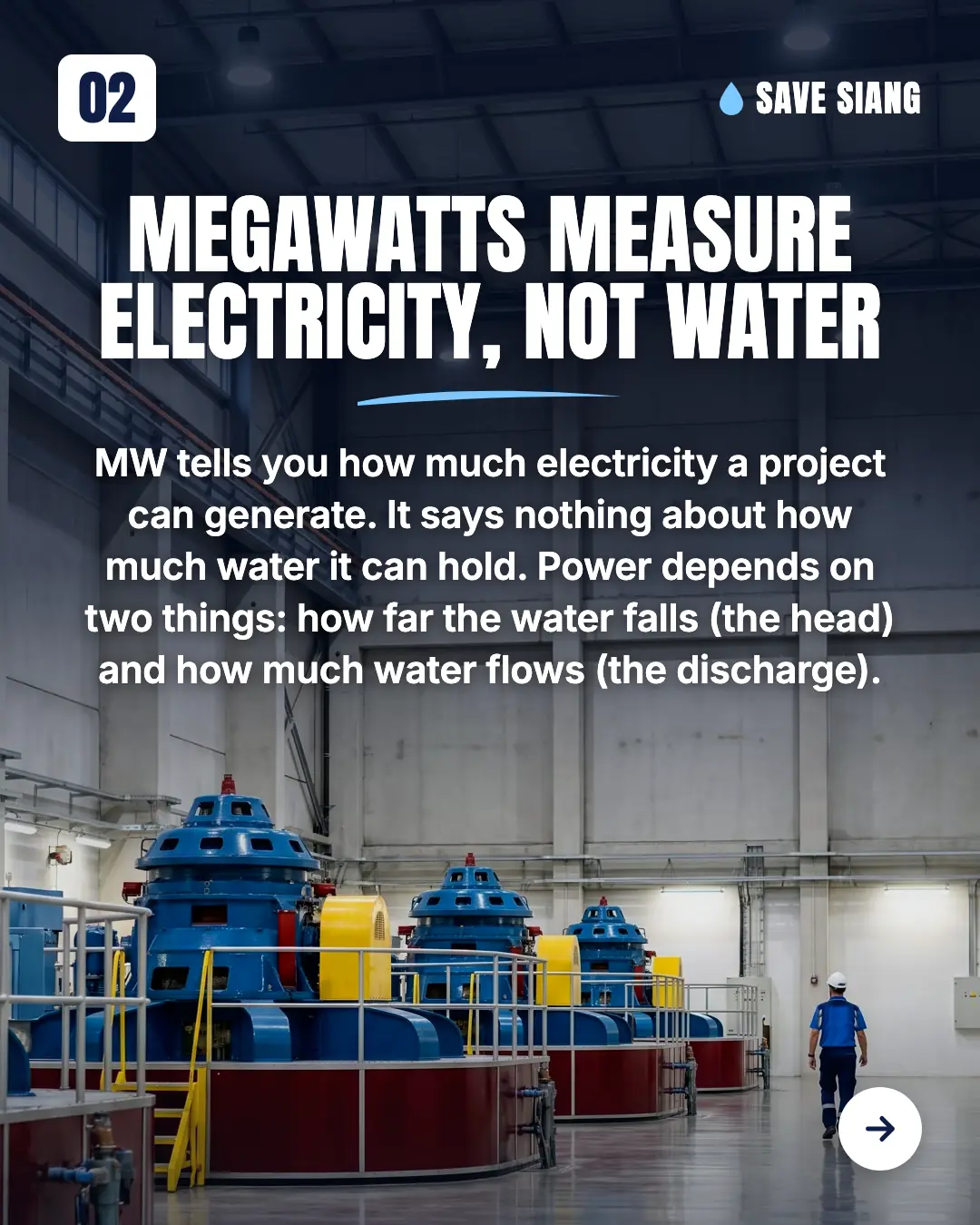
MW tells you how much electricity a project can generate. It says nothing about how much water it can hold. Power depends on two things: how far the water falls (the head) and how much water flows (the discharge).
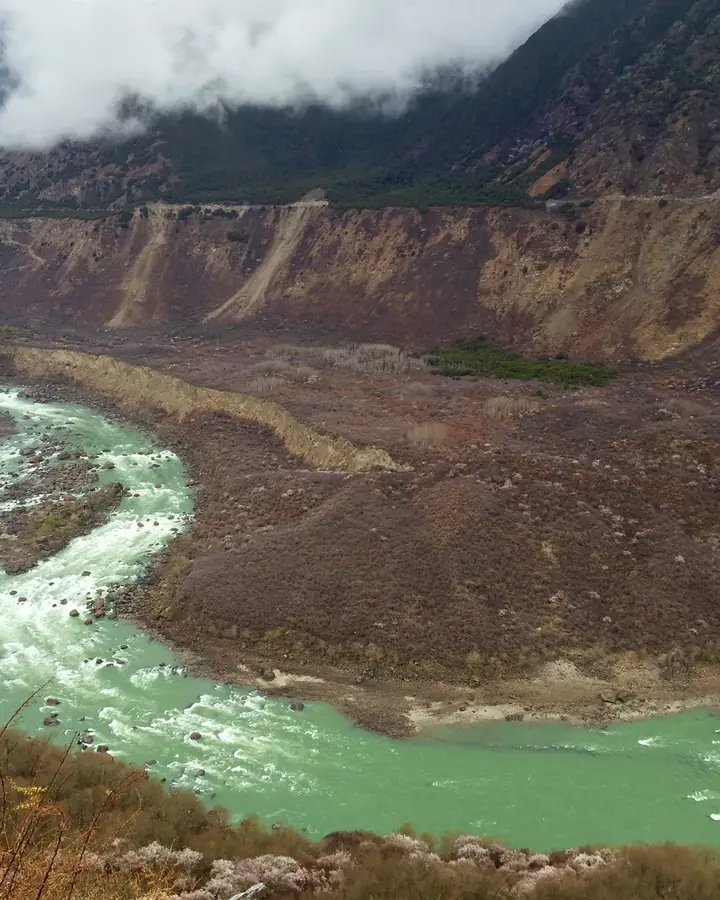
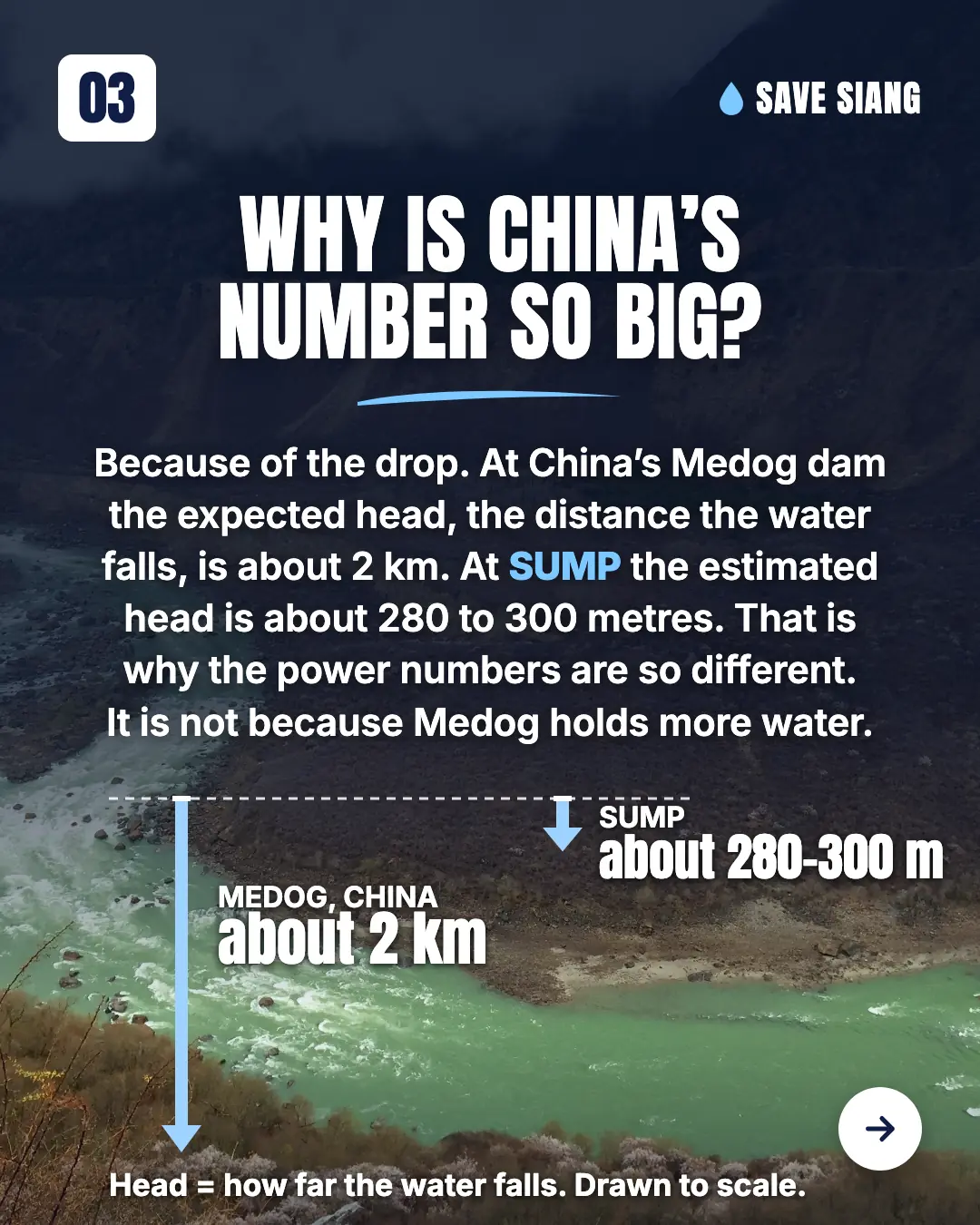
Because of the drop. At China’s Medog dam the expected head, the distance the water falls, is about 2 km. At SUMP the estimated head is about 280 to 300 metres. That is why the power numbers are so different. It is not because Medog holds more water.
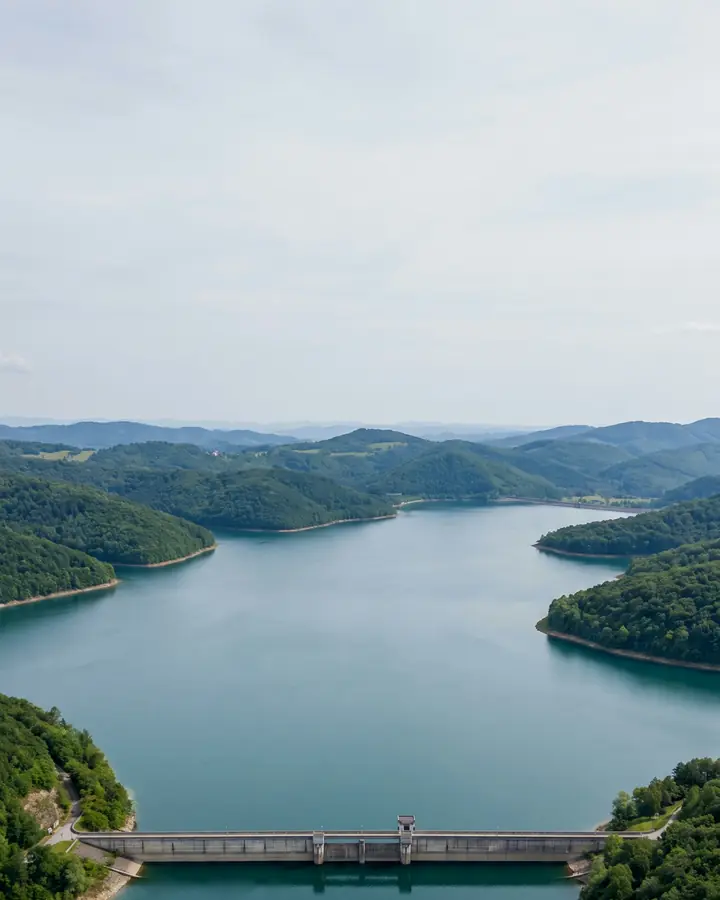
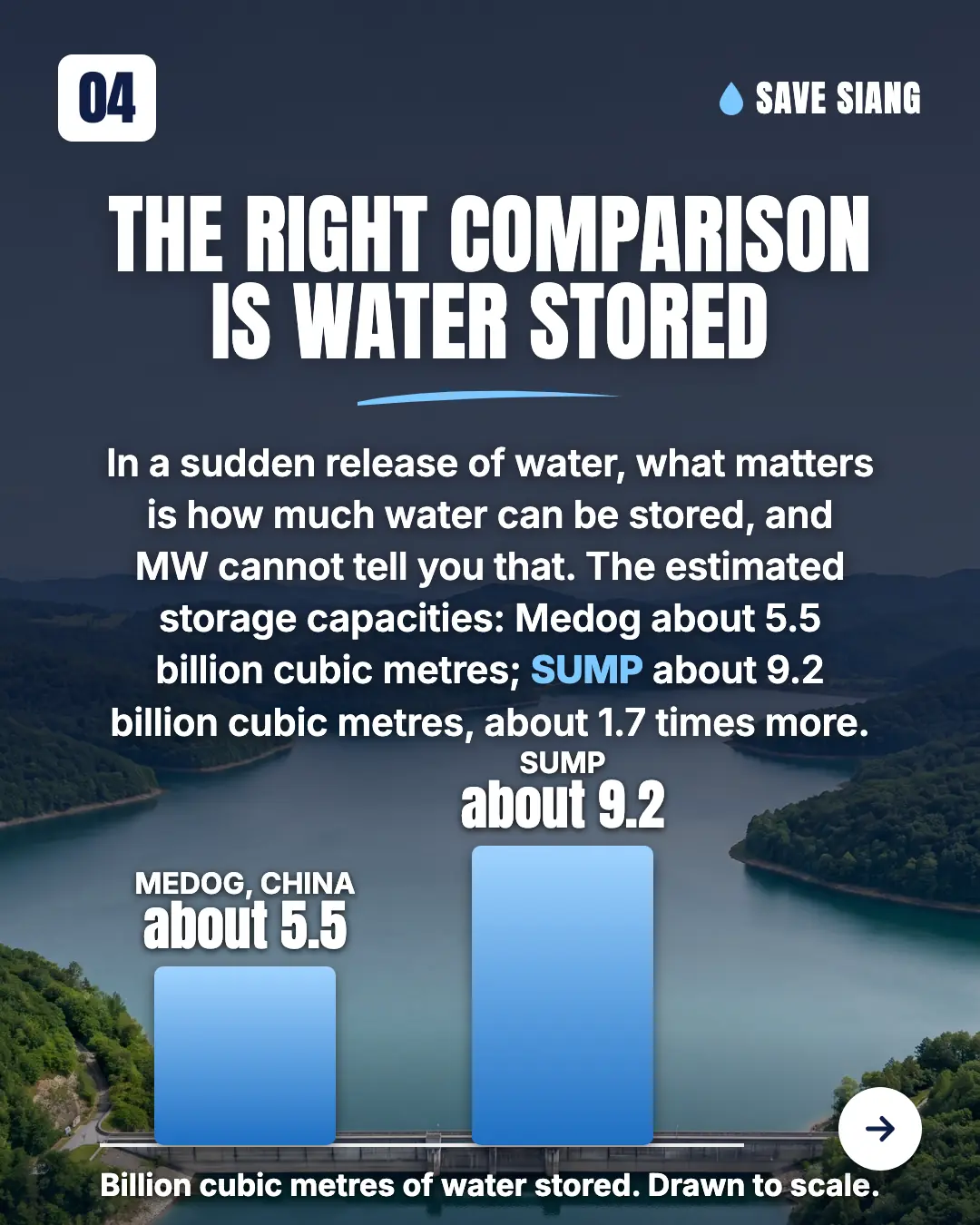
In a sudden release of water, what matters is how much water can be stored, and MW cannot tell you that. The estimated storage capacities: Medog about 5.5 billion cubic metres; SUMP about 9.2 billion cubic metres, about 1.7 times more.
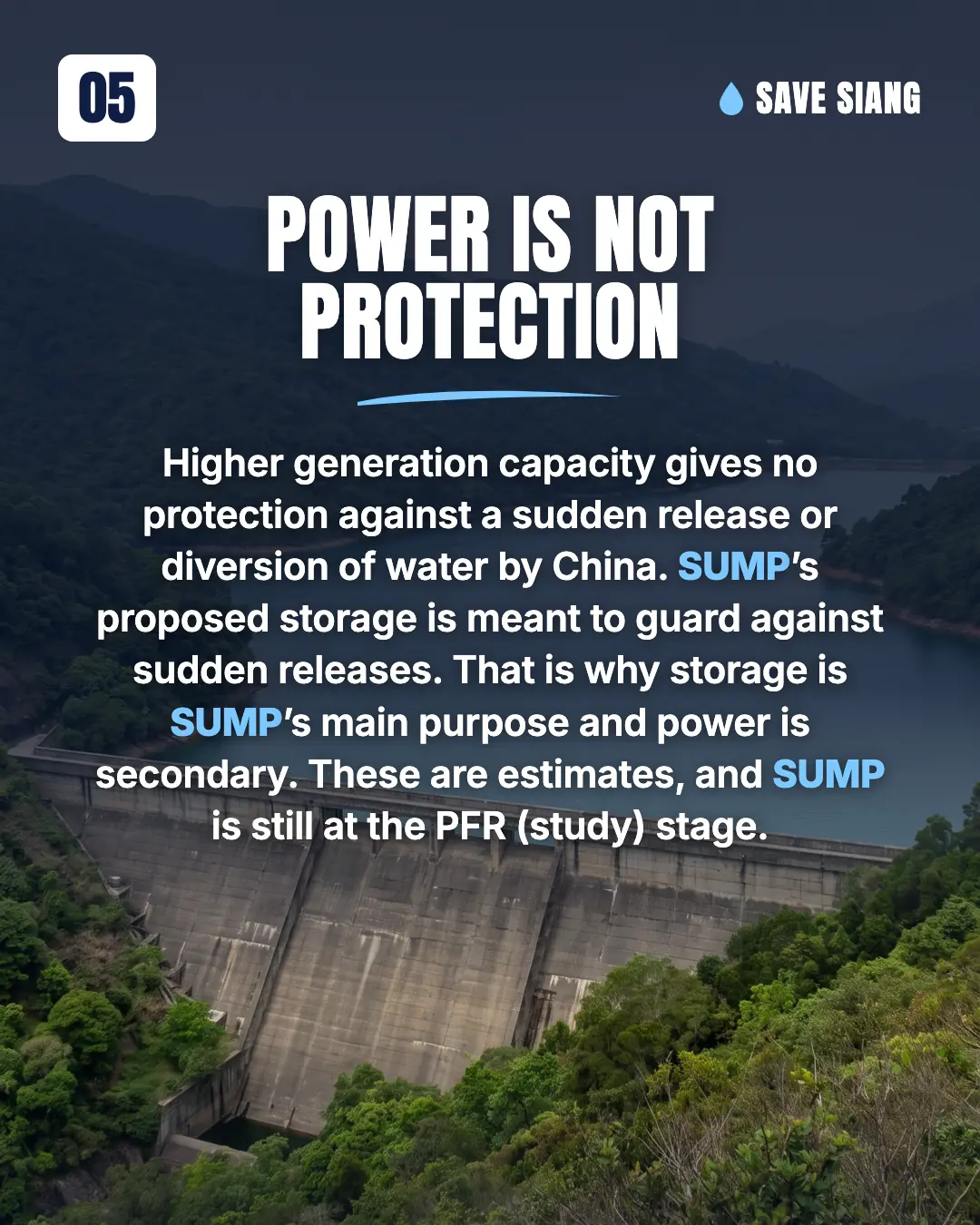
Higher generation capacity gives no protection against a sudden release or diversion of water by China. SUMP’s proposed storage is meant to guard against sudden releases. That is why storage is SUMP’s main purpose and power is secondary. These are estimates, and SUMP is still at the PFR (study) stage.
Locations where storage projects can be planned are limited due to the pattern of flow of the river.
The only solution to mitigate the floods and maintain flow during the lean months in the Siang basin is storage projects at appropriate locations in the valley (immediately downstream of the Tsangpo River).
Projects with flood storage provisions can be planned only in the lower and middle segments of the river, where the slope is moderate.
The land between Pasighat and Guwahati is too flat, which makes it unviable for storage projects. Power generation is incidental.
Yes. On 11 June 2000, a flash flood came down the Siang. It was caused by the sudden breach of an artificial landslide dam on the Yigong River, a tributary of the Yarlung Tsangpo (Siang), in Tibet.
At Pasighat, the Siang surged to its highest recorded flood level, 167.54 metres. Water levels also rose sharply, by up to 40 metres, upstream at Tuting.
It washed away key bridges and changed the local topography and river course. It claimed 30 lives, left over 100 people missing and displaced more than 50,000 residents in Arunachal Pradesh.
Two glacial lakes in the Siang region hold about 370 million cubic metres of water. If they burst, the flood would be severe, and storage can reduce the danger.
Video · Hindi voice, English subtitles
The video ends by asking for comments. Comments and questions go on our Facebook page.
Ask us. We will answer with facts. If the answer is not known yet, we will say so.